
Schools

Students

Employees

Million Operating Budget (2025-2026)
Our Strategic Commitments
Our Strategic Commitments guide our school communities in building a nurturing and supportive learning environment that embraces community, wellness, and innovation. We use these commitments as building blocks to provide our staff with a solid foundation to live out our vision and mission and to prepare our students to be compassionate, engaged citizens. As a Catholic school board, we pride ourselves on being a big board with an even bigger heart. Be Community, Be Well, and Be Innovative are integrated into everything we do.
Embracing diversity and inclusion while promoting equity, we are guided by faith-based Catholic social teachings and learning partnerships that create safe and welcoming places for all.
Honouring the dignity of every person, we care for and support the well-being of all. As Catholic educators, we believe every human being has inherent dignity and is made in God’s image and likeness. This fundamental concept is at the core of everything we do in OSCB schools.
We foster innovation through Deep Learning so that all can realize their full potential. Our Deep Learning approach fosters skills and competencies in a supportive environment that integrates technology and innovative teaching methods.
Our Strategic Plan provides a vision for the Board by establishing strategic direction and emphasizing student achievement. This multi-year plan collectively guides our words and actions as we continue to build safe, caring, inclusive, faith-filled environments dedicated to equity and well-being and Deep Learning opportunities for students.
The Board’s Student Achievement Plan (SAP) flows out of the Strategic Plan. These documents outline our priorities and goals for performance measures, evidence-gathering methods, and targets for improvement.
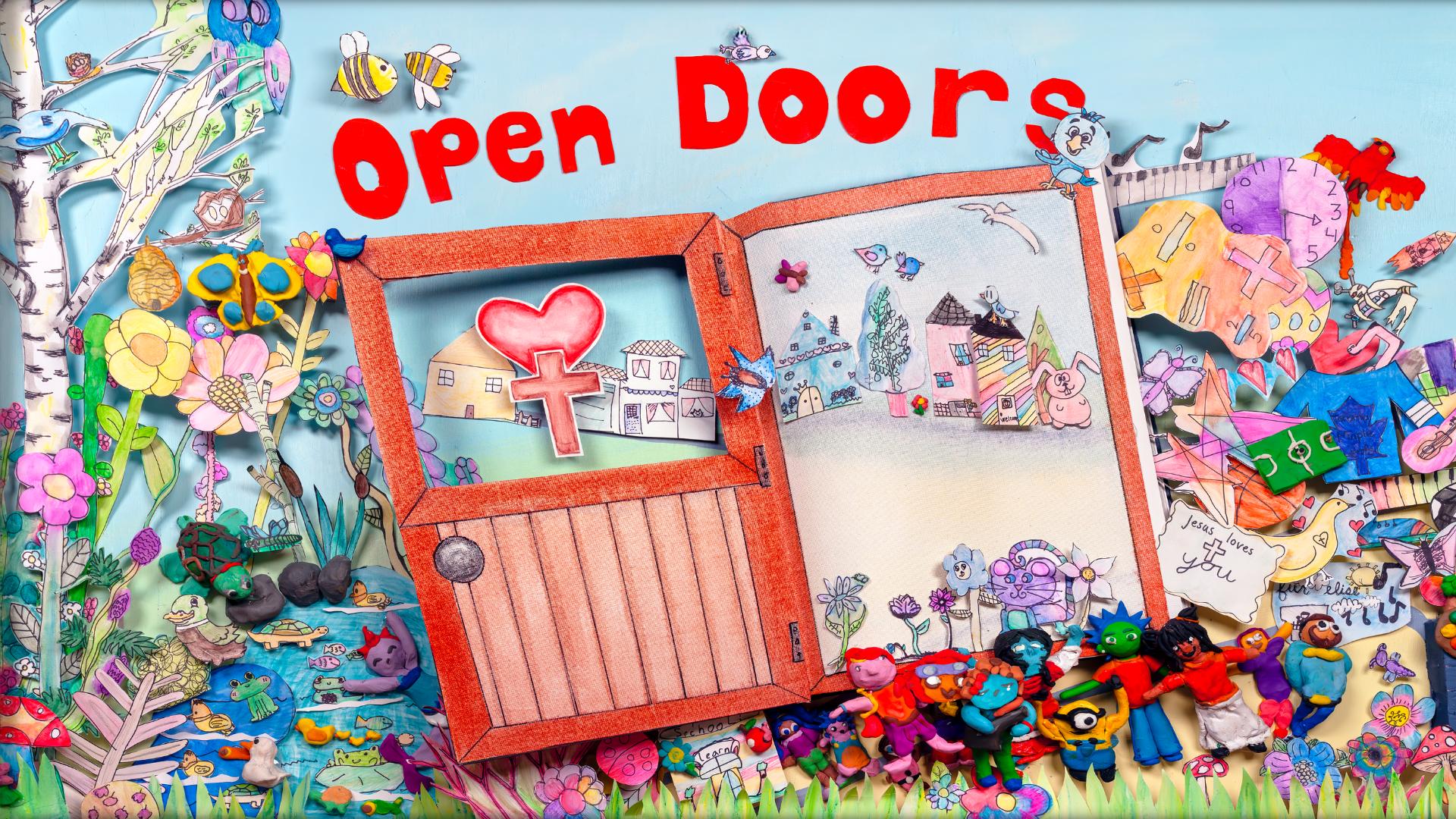
Our Spiritual Theme: We Are Called to Open Doors
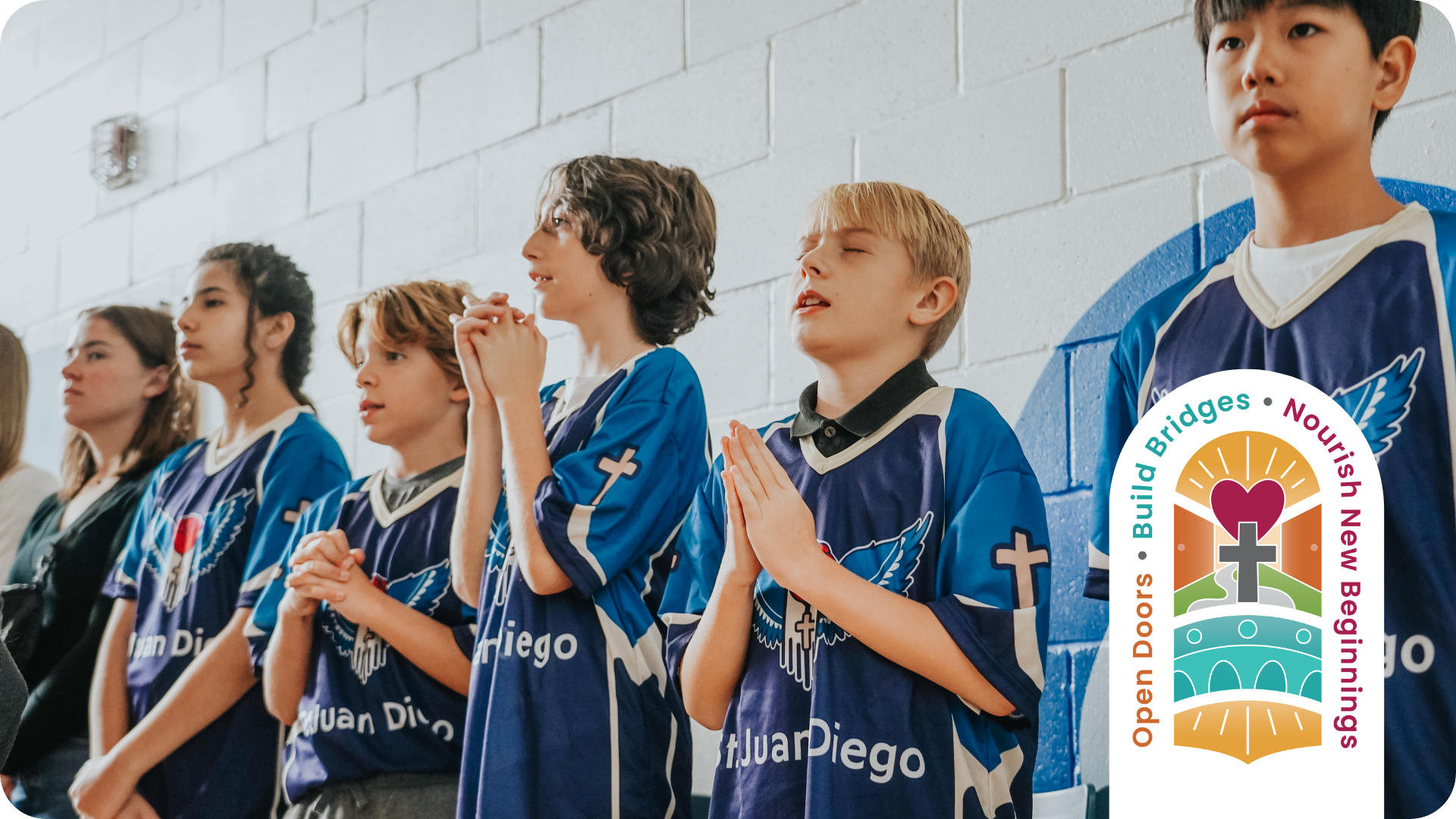
At the Ottawa Catholic School Board, our annual Spiritual Theme brings our faith community together in reflection and action. In 2024–25, We Are Called to Open Doors invites us to embrace hospitality, break down barriers, and welcome transformation.
This theme encourages us to recognize the unique gifts of those we encounter and foster a spirit of inclusion and respect. We join a global community of hope, ready to embrace new beginnings with open hearts and minds.
Our Focus: Deep Learning & Global Competencies
Deep Learning is an educational approach that fosters real-world learning through meaningful projects and problem-solving connected to global issues. It redefines the educator’s role as an activator who designs experiences that nurture six global competencies: citizenship, character, communication, critical thinking, collaboration, and creativity. Across all grade levels, our Board integrates this philosophy to help students develop these lifelong skills. These competencies serve as our guiding light—shaping compassionate, capable individuals ready to thrive in a connected world.

Character is one of the more apparent skills that a child will need throughout their whole life. This skill describes how a child interacts with others in the world and produces important traits like perseverance, resilience, humility, and kindness.

Citizenship is the skill that allows a child to connect with people with diverse world views and perspectives diplomatically. People who master this skill are engaged members of society who contribute to improving our world for the benefit of all.

Collaboration is a skill that allows a child to work well with others. A successful collaborator knows how to offer their unique talents and abilities while accepting, valuing, and building upon the strengths that others bring to the table.

Communication is an essential skill that will help a child interact with others, express their thoughts, feelings, and ideas. This skill also allows a child to understand others and involves using a variety of tools and media to connect with the right audience.

Creativity is a valuable skill that God has placed in each of us. It allows a child to take an idea and turn it into a reality. This skill is developed when a child is encouraged to “think outside the box,” be resourceful, and take risks to come up with innovative ideas and solutions to problems.

Critical thinking is the ability to thoughtfully evaluate information and arguments by seeing patterns and making connections. This skill is becoming more and more important as information becomes easier to access and will help a child apply information and knowledge in the real world.