Our Achievements

Home » Our Achievements

We’re proud to present the 2024–2025 Director’s Annual Report, showcasing some of the key achievements from the past year. Our work continues to be shaped by our strategic commitments, community, well-being, and innovation, and by our Spiritual Theme, which last year invited us to reflect on “We Are Called to Open Doors.”

You’ll find these values brought to life on Our Stories, where we highlight just a few of the remarkable moments that unfolded across our schools.

Be Community

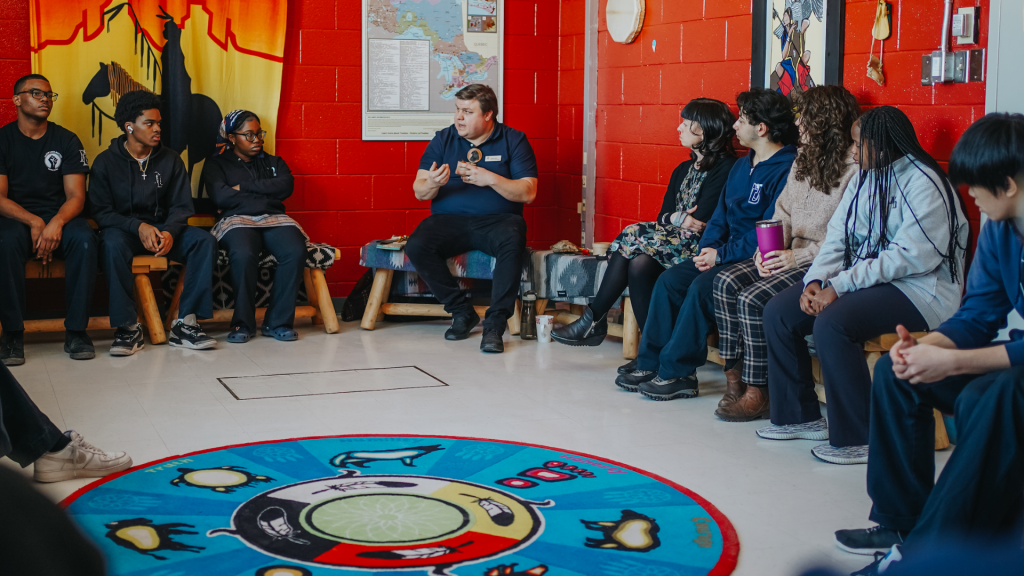
In every classroom, hallway, and gathering space, we celebrated diversity, nurtured inclusion, and championed equity, guided by our Catholic values of teaching and strong learning partnerships.

The 2024–2025 school year was a testament to what it meant to Be Community. From record enrolment and extraordinary generosity to meaningful partnerships, equity initiatives, and strong parent and student voices, our collective efforts were a living expression of faith, inclusion, and service.
Be Community

In every classroom, hallway, and gathering space, we celebrated diversity, nurtured inclusion, and championed equity, guided by our Catholic values of teaching and strong learning partnerships.

The 2024–2025 school year was a testament to what it meant to Be Community. From record enrolment and extraordinary generosity to meaningful partnerships, equity initiatives, and strong parent and student voices, our collective efforts were a living expression of faith, inclusion, and service.

Opening Doors

Providing students with a Catholic education was about more than teaching religion. It was about nurturing faith-filled individuals guided by compassion, justice, and hope. Catholic values inspired students to engage with the world through empathy and service, shaping them into thoughtful global citizens.

The 2024–2025 school year marked the first year of our new Spiritual Theme, “Open Doors, Build Bridges, Nourish New Beginnings.” Across our schools, students and staff embraced this message, finding ways to welcome, support, and connect with others through meaningful acts of service, both locally and globally.

The Catholic Education Foundation of Ottawa (CEFO) continued its vital work to reduce the impact of poverty on students and families. In addition to the $260,670 raised through the annual OCSB Charitable Campaign, CEFO received a transformative $500,000 legacy gift from St. Brigid’s Camp. This generosity ensured that more students had access to essentials such as food, eyeglasses, and school supplies. These acts of kindness reflected the heart of our mission: faith in action, serving those most in need.

Community Partnerships and Programs

Strong partnerships across Ottawa continued to create innovative learning opportunities and pathways for all students. The Board allocated funding to support tutoring programs that helped learners achieve academic success with the guidance of caring educators and community mentors.

Collaboration with community agencies, industry partners, and trade organizations expanded opportunities in skilled trades and experiential learning. Ongoing partnerships with Algonquin College, local unions, and employers allowed our Elite Skilled Trades Academy programs to thrive, providing students with hands-on experience and career pathways.

The Continuing and Community Education Department also played a vital role in lifelong learning. The Adult Learning and Skills Development Program offered 15 courses in education, employability, and personal growth. The Classroom Assistant Training Program was a standout success, with seven graduates hired as emergency classroom supervisors and two as full-time Educational Assistants.

Summer programs reached learners of all ages through engaging academic and recreational opportunities that fostered learning, confidence, and community connection year-round.

Our Growing Community

The OCSB family continued to grow throughout the 2024–2025 school year. We proudly welcomed our 50,000th student, a milestone that reflected the trust families placed in our Catholic schools and the inclusive environments we cultivated.

The Family Welcome Centre played an essential role in helping 1,547 newcomer students, primarily from Africa, Asia, and South America, begin their journeys with the OCSB. The Centre offered more than registration assistance. It provided families with guidance, connection, and a genuine sense of belonging. Welcoming students from around the world enriched our classrooms with diverse languages, cultures, and life experiences, strengthening our shared understanding and faith community.

Equity and Inclusion

Equity and inclusion remained at the centre of who we were as a Catholic learning community. Throughout the year, schools across the Board recognized and celebrated Black history in meaningful ways through guest speakers, cultural performances, artistic events, and classroom learning that honoured Black excellence year-round.

Black Student Associations (BSAs) led this work by mentoring students in their feeder schools to strengthen leadership, representation, and belonging. The year also marked the launch of our updated Equity, Diversity, and Inclusion (EDI) Framework, which focused on initiatives directly supporting student well-being and achievement.

Together, these efforts demonstrated our ongoing commitment to ensuring that every student was seen, heard, and valued.

Empowering Parent Engagement

Parents continued to be essential partners in Catholic education. The OCSB was blessed with three dedicated parent organizations: the Catholic School Parents’ Association (CSPA), the Parent Involvement Committee (PIC), and the Special Education Advisory Committee (SEAC). Together, they ensured families remained informed, supported, and connected.

In 2024–2025, these groups collaborated closely with OCSB staff to strengthen family engagement. They hosted 10 major parent events and 14 workshops that welcomed more than 1,900 participants. OCSB staff contributed presentations, articles, and resources that equipped parents to support their children’s learning and well-being.

Amplifying Student Voices

Students remained at the heart of everything we did. Through the OCSB Student Senate, representatives from every secondary school met quarterly with senior staff to share their perspectives on key issues, including technology use in classrooms and the ethical application of AI in education.

Student trustees actively participated in Board committees such as Safe Schools and Mental Health and Well-being, ensuring that student perspectives informed decision-making at every level. Their leadership reflected the OCSB vision of forming engaged, faith-filled citizens who contribute positively to their communities.

Be Well

By nurturing mind, body, and spirit, and by caring for one another and for God’s creation, we continued to live out our Catholic faith in meaningful and transformative ways.

From advancing mental health and inclusion to expanding Indigenous education, outdoor learning, and environmental stewardship, our OCSB community worked together to ensure that every student and staff member could truly Be Well.
Be Well

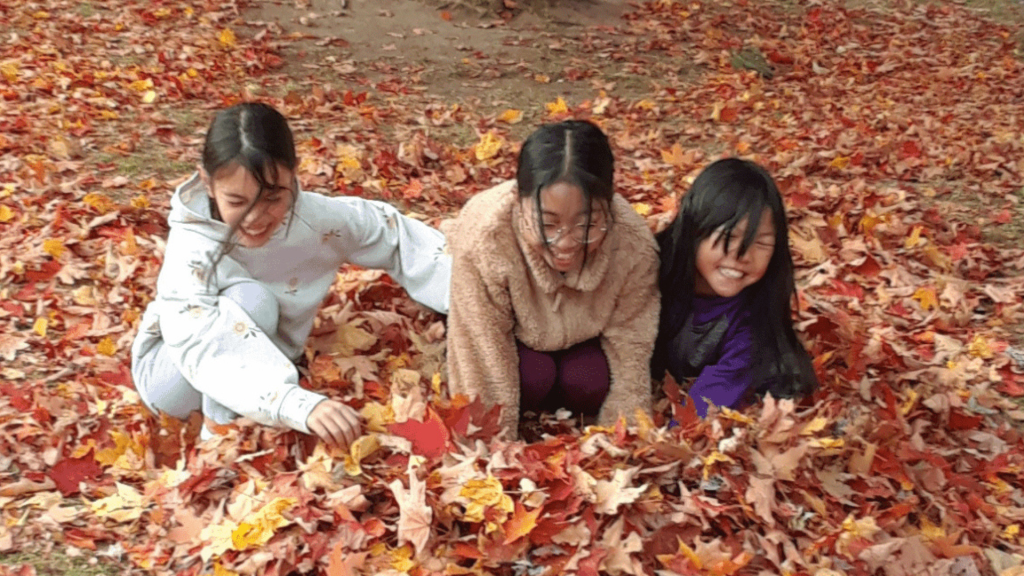
By nurturing mind, body, and spirit, and by caring for one another and for God’s creation, we continued to live out our Catholic faith in meaningful and transformative ways.

From advancing mental health and inclusion to expanding Indigenous education, outdoor learning, and environmental stewardship, our OCSB community worked together to ensure that every student and staff member could truly Be Well.

Expanding Outdoor Learning for Well-Being and Engagement

The 2024–2025 school year marked the third year of our Outdoor Learning Spaces Project. This initiative transformed schoolyards into dynamic extensions of the classroom where students could learn on and from the land. These spaces promoted exploration, physical activity, and connection to nature while supporting Indigenous ways of knowing and the well-being of students and staff.

By the end of the year, every OCSB school had benefited from the project’s three years of funding. Schools received enhancements that included outdoor classrooms, naturalized play areas, sensory gardens, and reflection spaces.

To guide the next phase of the project, we gathered feedback on how these spaces were used and where they had the greatest impact. Professional learning opportunities helped educators confidently integrate outdoor learning into their teaching practices, supporting environments that nurtured both curiosity and wellness.

Deepening Indigenous Learning and Cultural Connections

We deepened our commitment to Indigenous education and reconciliation. The Indigenous Education team expanded this year with the addition of two Learning Partners and an Indigenous Education Cultural Advisor. This strengthened our capacity to infuse Indigenous perspectives across all schools.

The team worked with educators and students to embed Indigenous knowledge and ways of learning into classrooms through land acknowledgements, literature, math, and the arts. A key highlight was hosting the OCSB’s first-ever Board-wide Indigenous Students Association Cultural Celebration Pow Wow. This vibrant event brought together students, staff, and community members in celebration of identity, culture, and unity.

The team also facilitated workshops through the Land Connection Van that demonstrated how to create meaningful land-based learning experiences in urban settings. These experiences helped students connect more deeply with the environment, history, and values of Indigenous communities. They enriched understanding of stewardship and respect.

Continued Leadership in Energy Conservation

Our Energy Management Plan continued to deliver results. In May 2025, the Sustainable Schools program ranked the OCSB seventh in the province for electricity and natural gas savings. Since 2016, we have consistently ranked among the top ten energy-performing school boards in Ontario. This was a remarkable achievement as we continued to build new schools and upgrade ventilation systems in older facilities.

This success reflected a combination of innovative capital projects, thoughtful operational practices, and the everyday actions of staff and students who fostered a culture of conservation. Whether through energy-efficient building upgrades, responsible classroom practices, or student-led eco clubs, our community demonstrated that environmental stewardship begins with small, collective choices.

Embedding Environmental Education Across the System

The 2024–2025 school year also saw the launch of the OCSB’s first Eco-Framework. This comprehensive approach to environmental education and sustainability unified existing eco-initiatives and formalized the Board’s commitment to environmental learning. It recognized the efforts of those who championed environmental education, provided guidance for schools ready to move forward, and emphasized the importance of elevating environmental action across the system.

Although the OCSB has long supported environmental initiatives, the Eco-Framework provided structure, practical examples, and clear guidelines to help schools and departments achieve shared environmental goals.

Promoting Mental Health, Resilience, and Belonging

The 2024–2025 school year marked the first year of implementing our updated Mental Health, Addiction, and Well-Being Strategy (2024–2027). This three-year plan placed a stronger emphasis on equity, diversity, inclusion, and mental health. It reaffirmed our commitment to fostering a culture of care and belonging across all OCSB schools.

The strategy focused on equipping staff with specialized training, empowering students to lead well-being initiatives, and strengthening connections with families and community partners. As part of this work, we launched the OCSB Well-being Toolkit, three tailored collections of mental health resources designed to support parents, students, and staff. Each toolkit offered practical tools to promote resilience, connection, and mental wellness at home and in schools.

A Ministry of Education grant supporting transitions for students with individual learning needs allowed us to introduce new practices that strengthened transition planning and student support. This initiative encouraged collaboration among educators, families, and specialists to help students move more confidently between grades, programs, and schools.

During the summer, the Special Education and Student Services team continued to serve students, families, and colleagues through a range of programs and professional learning opportunities. These included counselling services, transition supports, summer writing projects, and programs that helped students build social skills, empathy, and wellness.

Be Innovative

We strived to discover creative approaches to achieving our goals. Unique programs and engaging projects played a key role in fostering student learning across all grade levels as students explored meaningful Deep Learning experiences that challenged, inspired, and prepared them for the future.

From advancing AI in education and strengthening critical thinking to expanding skilled trades pathways and transforming literacy practices, we continued to pioneer new ways to teach, learn, and grow, ensuring that every student was equipped to thrive in a rapidly changing world.
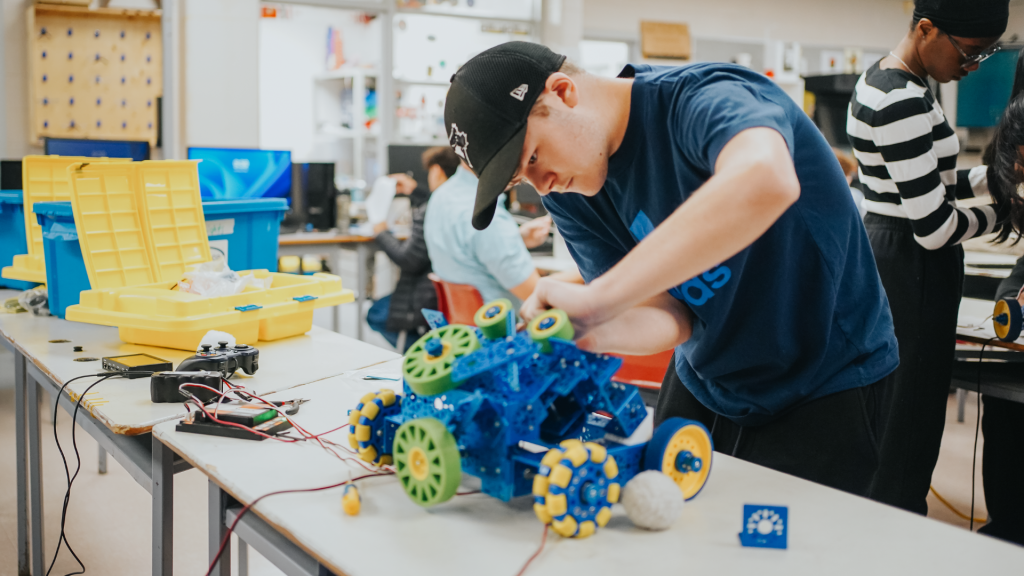
OCSB student working on his robotics project

Be Innovative

We strived to discover creative approaches to achieving our goals. Unique programs and engaging projects played a key role in fostering student learning across all grade levels as students explored meaningful Deep Learning experiences that challenged, inspired, and prepared them for the future.

From advancing AI in education and strengthening critical thinking to expanding skilled trades pathways and transforming literacy practices, we continued to pioneer new ways to teach, learn, and grow, ensuring that every student was equipped to thrive in a rapidly changing world.

Continued Leadership Using AI to Enhance Learning

Throughout the 2024–2025 school year, the OCSB continued to lead provincially and nationally in the responsible and creative use of artificial intelligence (AI) to enhance both teaching and operational efficiency.

Building on the foundation established the previous year, staff and students used five distinct AI tools, supported by lessons and guidance grounded in our AI Guiding Principles. Every classroom participated in an AI-focused lesson during the first week of school, ensuring that all students and educators began the year prepared to use AI thoughtfully and ethically.

To further support innovation, the OCSB launched the AI Certification Program, which empowered educators to explore how AI could make lessons more engaging, interactive, and personalized. This initiative helped teachers design experiences that met diverse student needs while preparing learners for a future shaped by digital fluency and critical thinking.

Strengthening Critical Thinking in Every Classroom

As AI continued to evolve rapidly, the need for students to think critically and evaluate information became even more important. Critical thinking, one of the six Global Competencies in the OCSB’s Deep Learning model, remained a key focus area throughout 2024–2025.

To ensure system-wide alignment, all school principals identified Critical Thinking as a central element of their Student Achievement Plans, and educators incorporated at least two critical thinking lessons into their teaching practice during the year. The Board developed and shared centrally vetted resources, exemplars, and lesson plans designed to strengthen analytical, reflective, and creative thinking skills.

Ten minutes of every monthly staff meeting across all schools were dedicated to discussions on critical thinking. These regular touchpoints encouraged collaboration, sharing of best practices, and reflection on how to embed deeper thinking into daily instruction. This system-wide approach supported students in becoming thoughtful problem-solvers and discerning digital citizens.

Supporting Skilled Trades Pathways

The OCSB continued to champion the skilled trades as a first-choice pathway for students, ensuring that every learner could pursue meaningful, future-ready career opportunities.

Participation in the Specialist High Skills Major (SHSM) program increased by 13%, supported by the introduction of three new programs in construction, hospitality, and tourism. Interest in the Elite Skilled Trades Academy (ESTA) also continued to grow, reflecting a strong recognition of the trades as valuable and rewarding career paths.

In February 2025, the OCSB collaborated with the Skills Council of Canada to host an Employer Information Session promoting the Ontario Youth Apprenticeship Program (OYAP) and SHSM opportunities. The event brought together employers, educators, and industry leaders to strengthen relationships, foster collaboration, and support local workforce development.

Guidance counsellors also participated in professional learning experiences with local union training centres, including those for construction craft workers and ironworkers. These sessions provided firsthand insight into the skills, tools, and opportunities available in these industries, ensuring that counsellors were well equipped to guide students toward fulfilling careers in the skilled trades.

An Innovative Approach to Early Years Literacy Screening

In response to the Ministry of Education’s requirement that all Ontario school boards screen students from Year 2 Kindergarten to Grade 2 twice per year, the OCSB’s Literacy Team implemented an innovative and highly efficient screening model.

By adapting the gradual entry model for kindergarten, staff successfully screened more than 2,700 Year 2 students on the first day of school. Literacy team members provided real-time virtual support throughout the day and were also deployed on-site in larger schools to assist with implementation.

For Grades 1 and 2, a coordinated effort among central departments allowed staff to cover 345 classes between September and October, resulting in more than 6,100 students screened by mid-November. This early identification process allowed educators to provide timely interventions and supports for students not yet meeting benchmark expectations.

In total, more than 9,000 students were screened before mid-November, demonstrating the power of creative planning, collaboration, and shared responsibility for student success.

Reimagining Professional Learning for Educators

The OCSB Summer Institutes once again provided staff with relevant, flexible, and inspiring professional development opportunities. The program combined in-person and virtual formats, offering 44 sessions on topics such as numeracy, literacy, equity, well-being, and digital learning.

Each session was linked to one or more of the Deep Learning Global Competencies, ensuring that professional growth aligned directly with system priorities. All sessions were facilitated by OCSB staff members, providing valuable leadership opportunities to showcase effective practices and innovations happening across the system.

The four-day series, held at the end of August, attracted more than 730 participants. Feedback was overwhelmingly positive, with 98% of respondents indicating they would recommend the sessions to colleagues. This strong engagement reflected our educators’ deep commitment to lifelong learning and their continued dedication to student growth and well-being.

Our Commitment in Action

With the thoughtful, fiscally responsible leadership of our Board of Trustees, we approved a

balanced operating budget of $803.5 million for 2025–2026.

This budget reflects our commitment to ensuring that every Catholic school community remains

a safe, inclusive, and inspiring place to learn, grow, and belong.

Our Commitment in Action

With the thoughtful, fiscally responsible leadership of our Board of Trustees, we approved a balanced operating budget of $803.5 million for 2025–2026.

This budget reflects our commitment to ensuring that every Catholic school community remains a safe, inclusive, and inspiring place to learn, grow, and belong.