
At All Saints High School, Grade 11 Interior Design students took part in an innovative project that combined creativity, community service, and sustainable design. Through their work upcycling unwanted furniture, students deepened their understanding of Ottawa’s homelessness emergency, which affected nearly 3,000 people across the city. By collaborating with community partners, they strengthened their design skills and embraced the power of giving back to those in need.
A Sustainable Solution with a Purpose
The Upcycled Furniture Design Project empowered students to transform discarded furniture into beautiful, functional pieces. This hands-on initiative promoted environmental sustainability while supporting some of Ottawa’s most vulnerable residents. Partnering with organizations such as Matthew House and Operation Come Home, students lived out their “Pay It Forward” mission by donating their finished creations to furnish homes for youth and newcomers.
Working alongside Lisa Silfwerbrand, proprietor of Recreated Designs, students learned the craft of upcycling wood furniture. Through a six-day workshop led by Lisa, they developed practical skills to restore and redesign pieces with creativity and care. Her passion for community service inspired students to see furniture in a new way that connected art, purpose, and compassion.
Building Bridges with the Community
The project’s success depended on strong community partnerships, and the response from Ottawa residents was remarkable. Local families, churches, and school councils donated furniture, giving students a variety of pieces to reimagine. The project also benefited from the guidance of Emily MacLean, Housing Coordinator at Operation Come Home, and Basal Jalab of Matthew House, who shared insight into the realities of homelessness and how these donations improved the lives of youth and refugees.
Students participated in virtual discussions with Emily and Basal to learn how community organizations supported people in need. These conversations helped students connect their work to real-world issues, grounding their creativity in empathy and awareness.
From Classroom to Community Impact
Throughout the project, students applied their design skills while developing key competencies in creativity, citizenship, and character. By taking action to help others, they reflected on the meaning of their work and how it fostered belonging, dignity, and purpose.
The initiative supported Global Competencies, helping students strengthen skills that extended beyond the classroom. Creativity guided their redesigns as they gave discarded furniture new life. Citizenship was central as they tackled homelessness through design. Collaboration thrived as students worked with peers, organizations, and donors to ensure the project’s success. Through presentations and school outreach, they also honed their communication skills by sharing their learning and inspiring others.
The experience built character, perseverance, and teamwork. Students overcame challenges with integrity and compassion, finding pride in knowing their work had a lasting impact on their community.
Celebrating Community and Faith
The project also allowed students to connect their learning to their faith. Through service to others, they lived out the Catholic value of the Dignity of Persons. They saw firsthand how creativity and compassion could bring hope and healing to others, reinforcing the OCSB’s Spiritual Theme: Open Doors, Build Bridges, Nourish New Beginnings.
As the project evolved, students documented their process through digital portfolios that captured their design journey and reflections on homelessness and community support. These portfolios were shared with the wider community to celebrate their learning and inspire others to take action.
A Bright Future for the Project
Community support for this project grew rapidly, with furniture donations arriving from across the region, including Carleton Place and Orléans. As interest expanded, new supplies such as paint, sanders, and upcycling tools were needed to sustain the initiative. Parents, parishioners, and local residents rallied behind the students, demonstrating the collective desire to make a difference.
This project stood as a testament to the power of design, creativity, and community spirit. Through their work, All Saints High School students gained valuable skills while helping others rebuild their lives. By upcycling furniture, they also upcycled their own perspectives, discovering that design could be a tool for hope, empathy, and meaningful change.
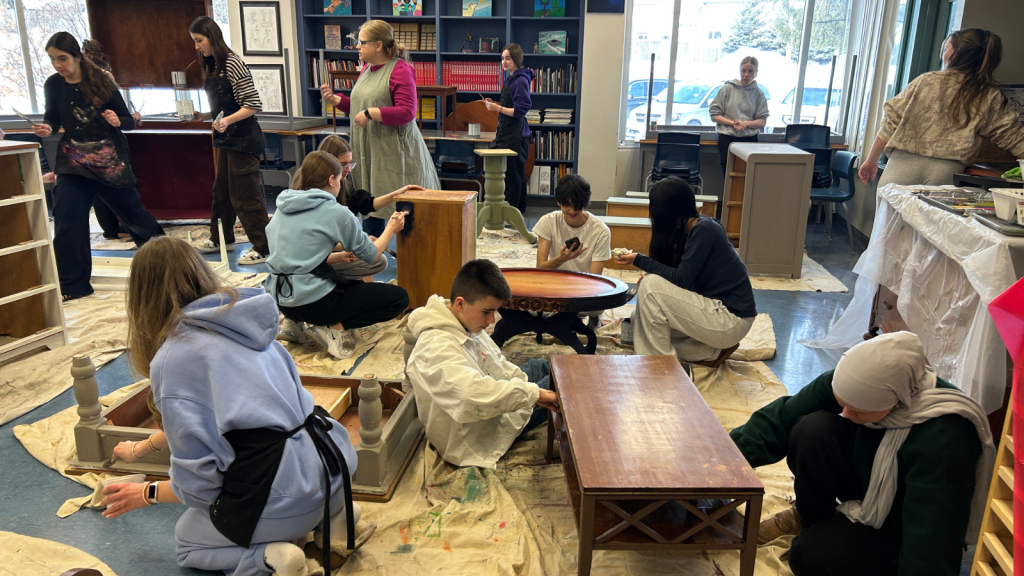 All Saints students engaged in a creative classroom activity, transforming everyday items through upcycling
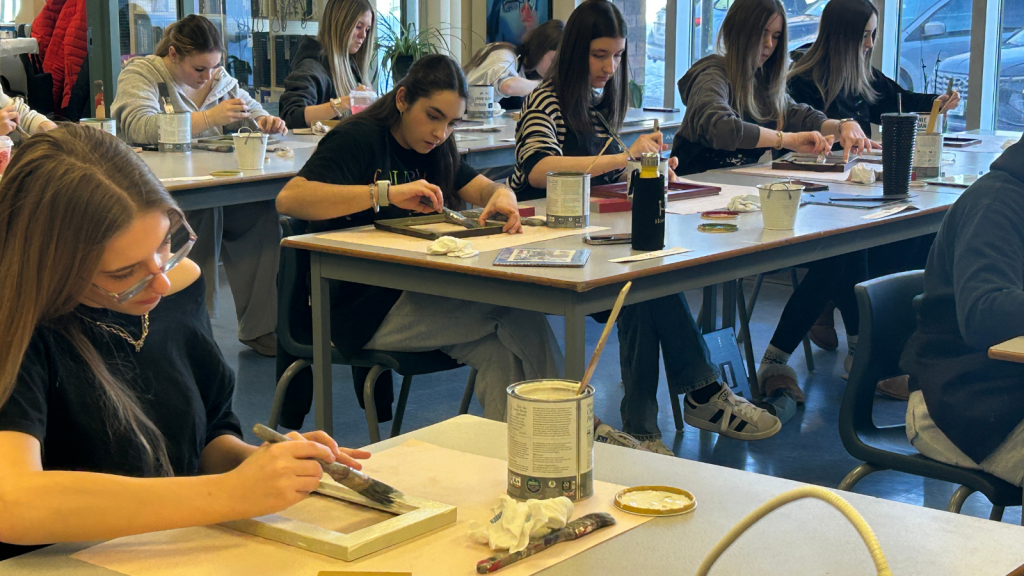 In their classroom at All Saints, students work together on an eco-friendly upcycling project
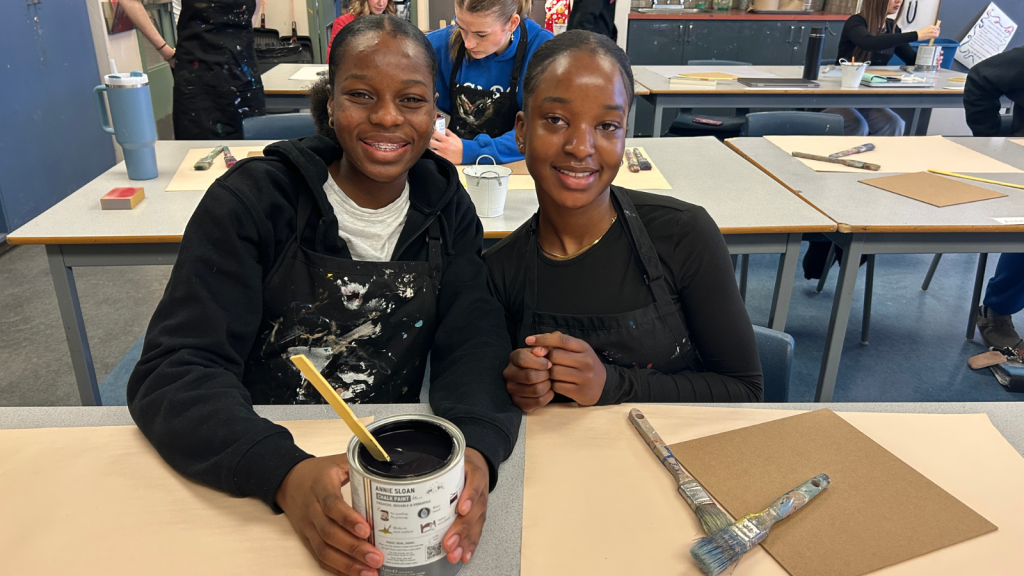 Hands-on learning at All Saints: students dive into an upcycling project in their classroom
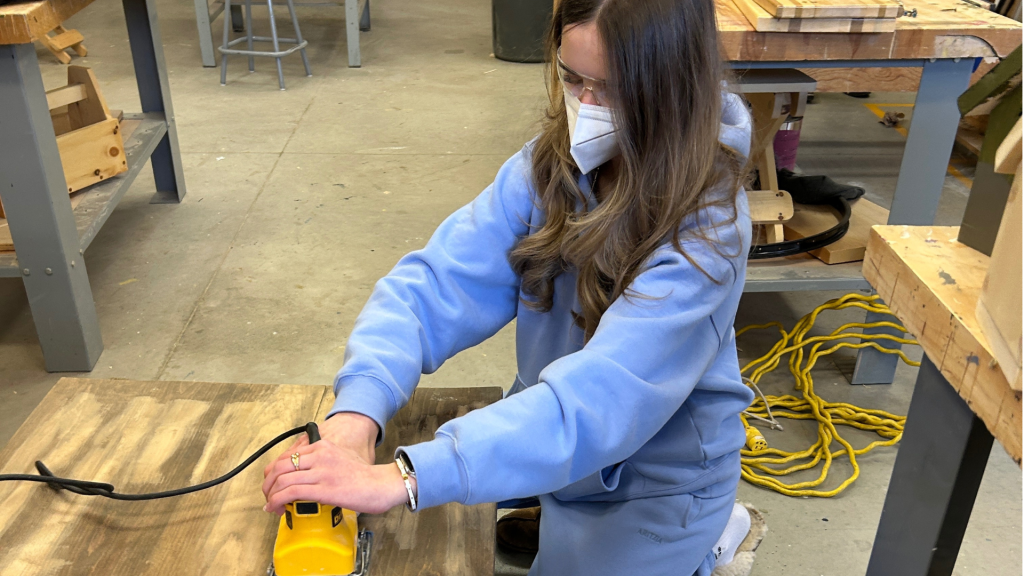 A student at All Saints dive into an upcycling project